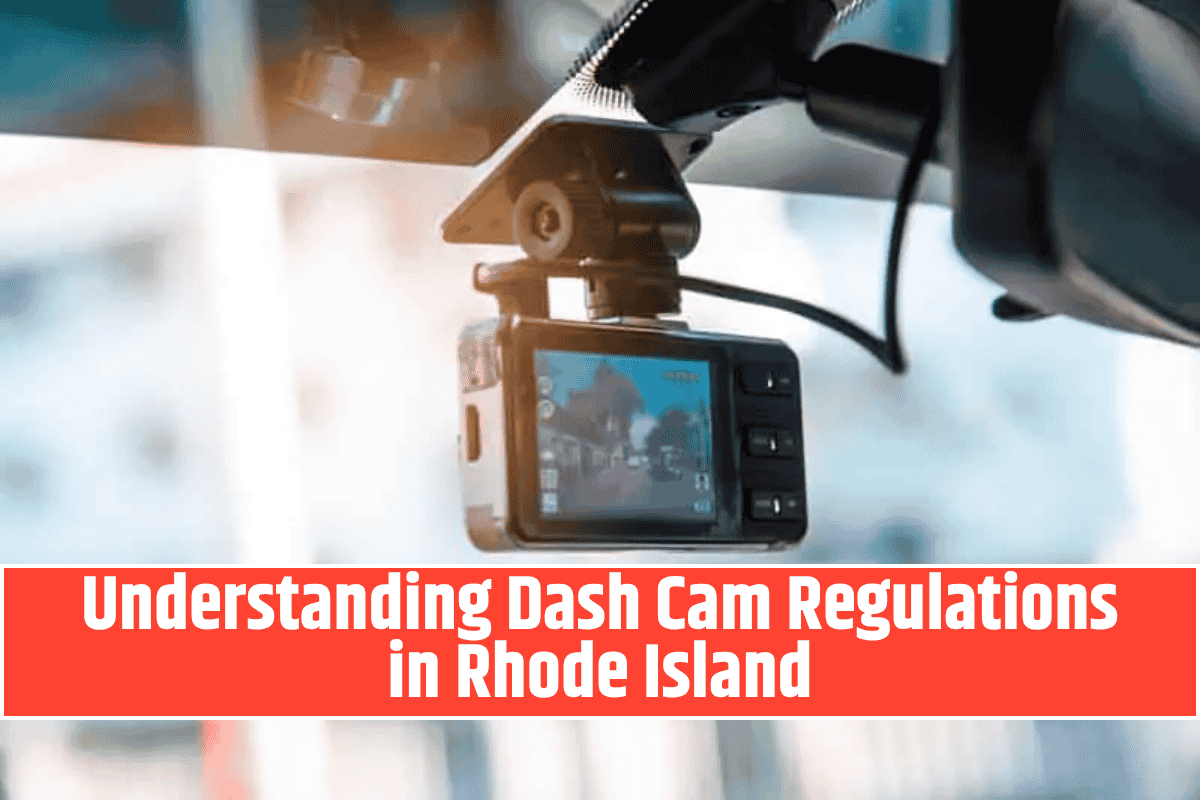
Dash cams are becoming more popular in Rhode Island — and for good reason. They can help prove fault in accidents, protect you from insurance fraud, and give peace of mind while driving.
But before you hit the road with a camera running, it’s important to understand Rhode Island’s specific dash cam regulations, especially around mounting and audio recording.
Here’s a simple breakdown of what’s legal, what’s not, and how to use your dash cam without violating privacy or traffic laws.
Are Dash Cams Legal in Rhode Island?
Yes, dash cams are legal in Rhode Island. You’re allowed to install a camera in your vehicle to record video while driving. However, there are clear rules about where you can mount it and how it records.
The most important rule is that your dash cam must not block your view of the road. Rhode Island traffic laws focus on driver visibility and safety — anything that interferes with your view, including a camera mounted on the windshield, could be considered a violation.
Legal Mounting Rules in Rhode Island
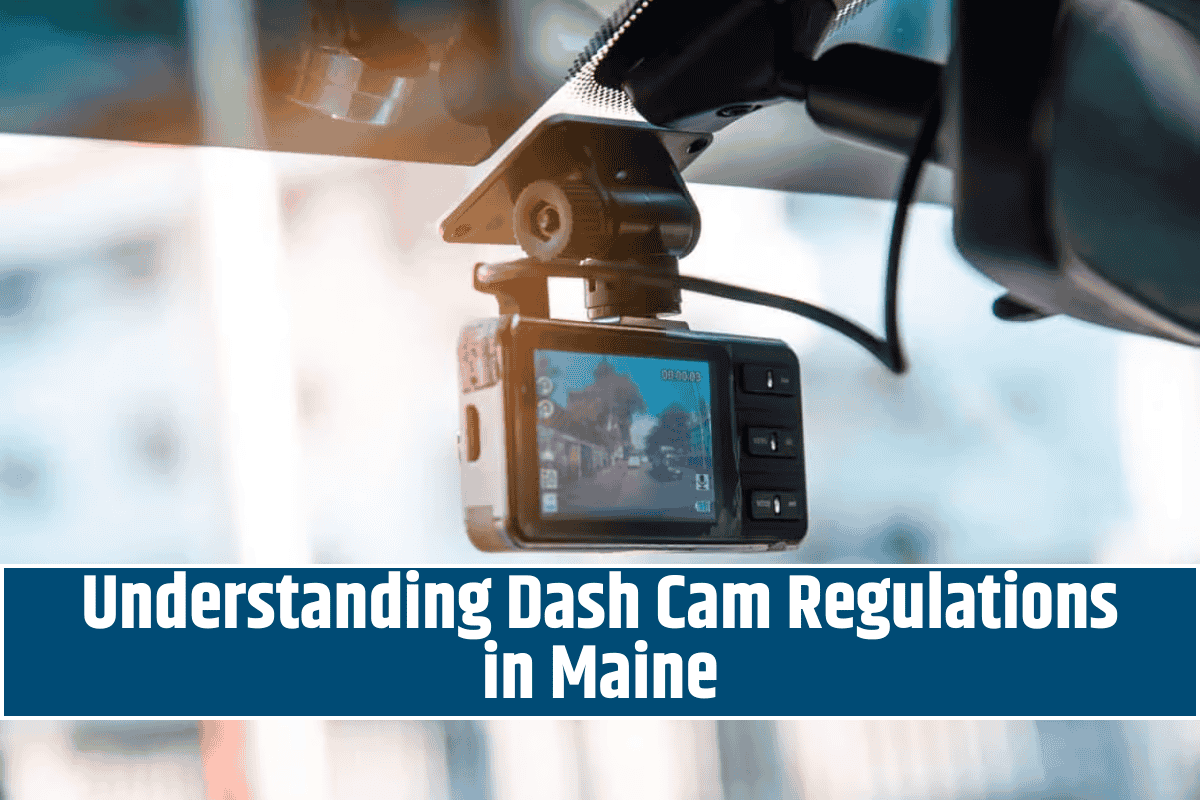
In Rhode Island, dash cams can be mounted on the dashboard or other places that do not obstruct the driver’s line of sight. You can place it low on the windshield only if it doesn’t interfere with your ability to see the road clearly.
Safe Mounting Locations
Dashboard (recommended)
Behind the rearview mirror (if it doesn’t block your view)
Low corner of the windshield (on the passenger side)
Avoid
Mounting directly in the center of your field of view
Using large suction mounts that hang in front of the driver
Blocking defrost vents or essential controls
Rhode Island Is an All-Party Consent State for Audio
This is a major legal point: Rhode Island requires all parties to consent to audio recording.
If your dash cam records sound, you need permission from everyone being recorded — including passengers in your car. If you capture private conversations without consent, you could be violating Rhode Island’s wiretapping and privacy laws, which can carry serious penalties.
Tip: If you’re using a dash cam with audio recording, consider disabling the microphone unless you have full consent from all passengers.
Can Dash Cam Footage Be Used in Court?
Yes, dash cam footage can be used as evidence in Rhode Island courts — if it was obtained legally. That means:
It doesn’t violate privacy laws (especially audio rules)
It wasn’t tampered with or edited
It was recorded in a public setting or from your own vehicle in a lawful way
Police, lawyers, and insurance companies often rely on dash cam footage to help determine fault in accidents or to verify driver behavior.
Common Mistakes to Avoid
To stay on the right side of the law, avoid these dash cam mistakes:
Blocking your windshield with a dash cam
Recording passengers without their consent
Using dash cam footage that includes private conversations
Assuming all video is legal evidence if recorded in any situation
Best Practices for Dash Cam Use in Rhode Island
Mount the dash cam low and out of your direct line of sight
Disable audio recording if you don’t have full consent
Check camera positioning before each trip
Inform passengers if your dash cam records sound
Back up your footage in case you need it later
Know your local town or city rules, as they may have their own enforcement priorities
Dash cams are a smart tool for any Rhode Island driver — but only if used responsibly and legally. While they can protect you in disputes or accidents, improper use (especially audio recording without consent) can get you into legal trouble.
Mount your dash cam carefully, respect privacy laws, and you’ll have a valuable tool on your side whenever you’re on the road.
[1] https://matrackinc.com/dash-cam-laws-by-states/
[2] https://www.blackboxmycar.com/pages/are-dash-cams-legal-in-my-area-dash-cam-laws-in-every-us-state
[3] https://www.ddpai.com/blog/dash-cam-laws/